
Corporate profile
rBIO has developed a proprietary bacteria-based peptide manufacturing process that increases production output and improves the economics of essential peptide drugs.
The company is focused first on insulin, with a licensing-first model for qualified regional and strategic partners.
rBIO in a nutshell:
Peptide manufacturing platform
Proprietary process that increases output
Licensing model for regional and global partners
Experienced leadership and investor-aligned commercialization plan
Business model
The company has developed a proprietary manufacturing process that increases output, lowers the cost of peptide production, and creates a repeatable licensing model for multiple peptides.
The problem we address:
Complex manufacturing drives high prices
Insulin remains a large, essential drug category, but manufacturing complexity continues to drive cost, margin pressure and supply vulnerability.
For manufacturers and regional partners, a more efficient insulin production process improves commercial economics while supporting broader access.
Investor relevance
Large essential-drug market
Persistent manufacturing inefficiency
Supply pressure as major manufacturers shift focus
Need for qualified regional production capacity
Potential for licensing-driven scale
What rBIO has built
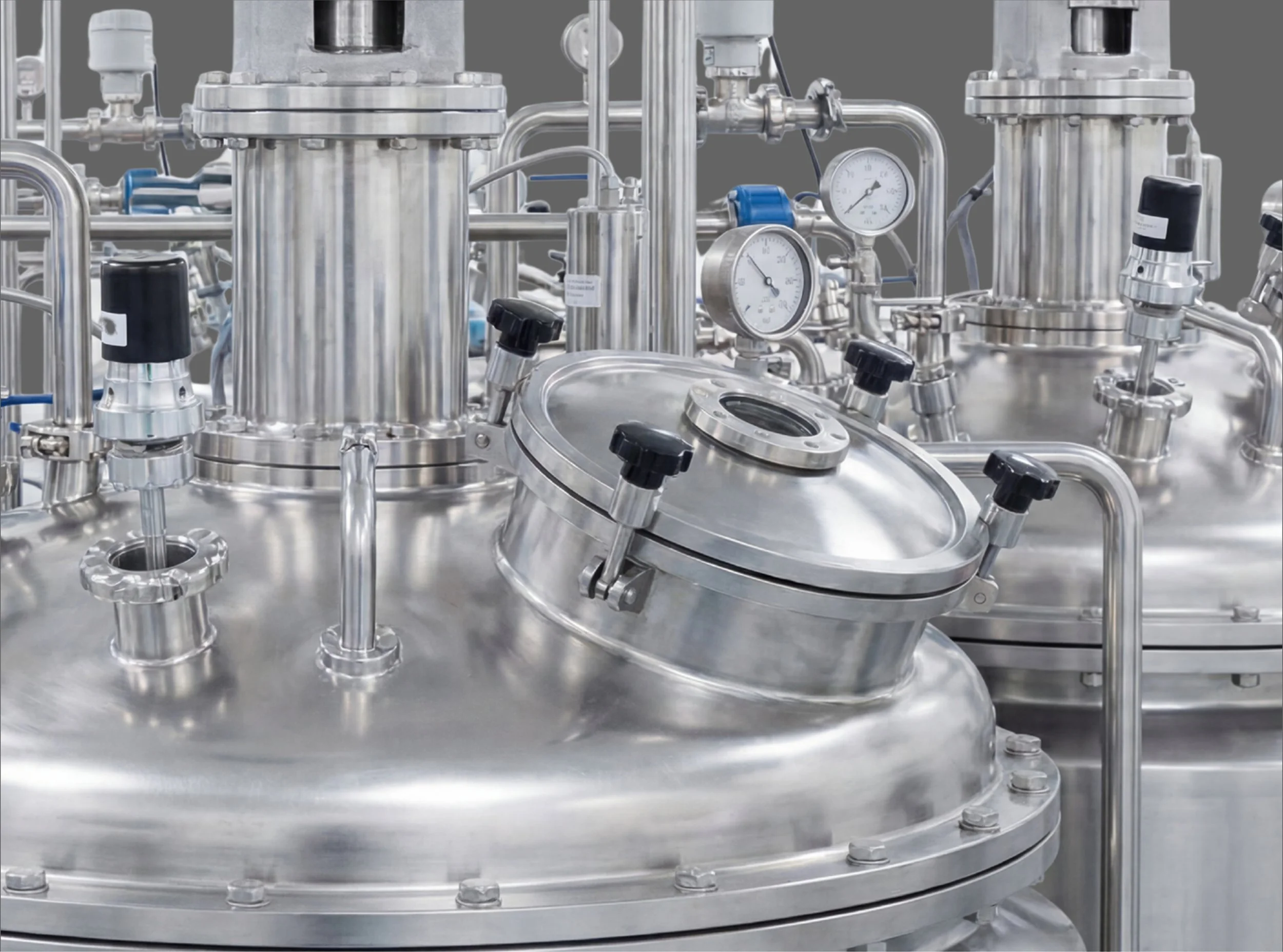
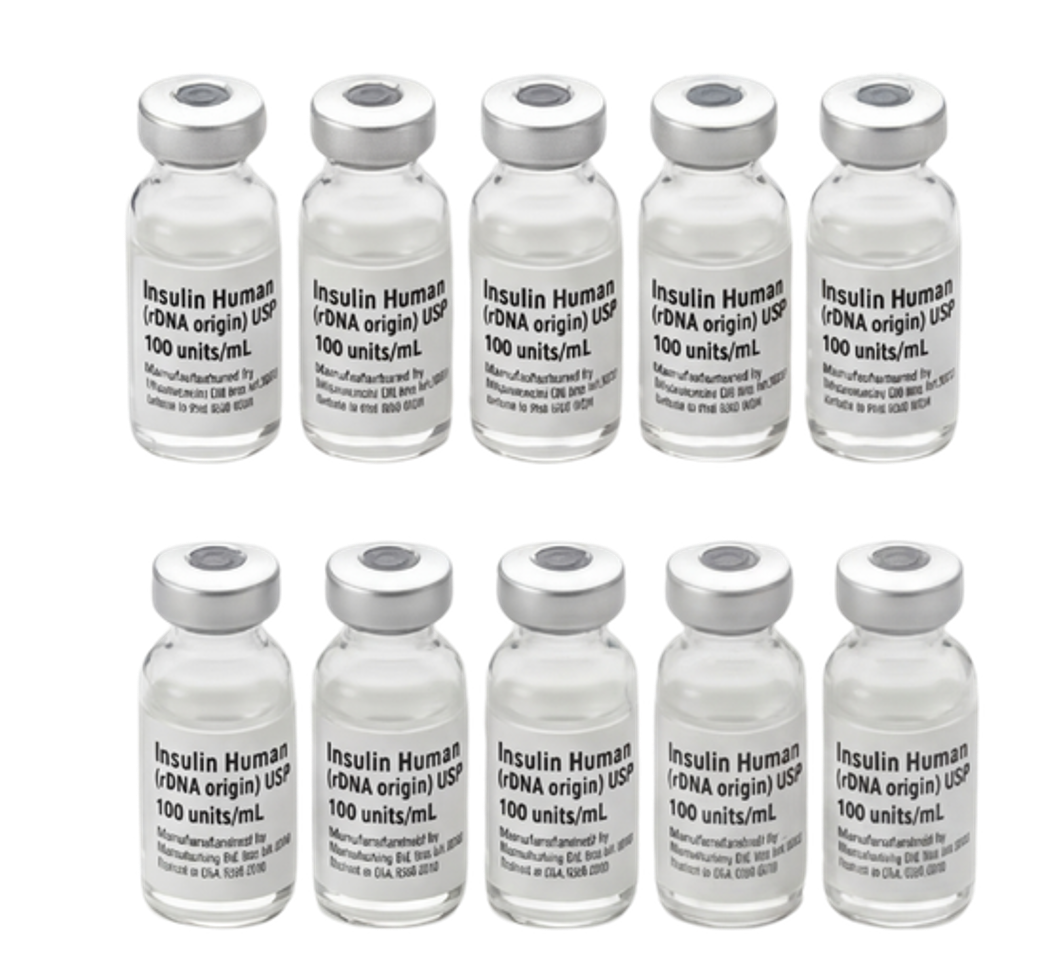
Proprietary insulin manufacturing process that doubles the rate of insulin production compared with current industry production techniques.
Process IP and technical know-how
Bacteria-based production approach
Scale-up path from 20L pilot work to 1,000L production
Licensing model for qualified manufacturing partners
Our secret sauce
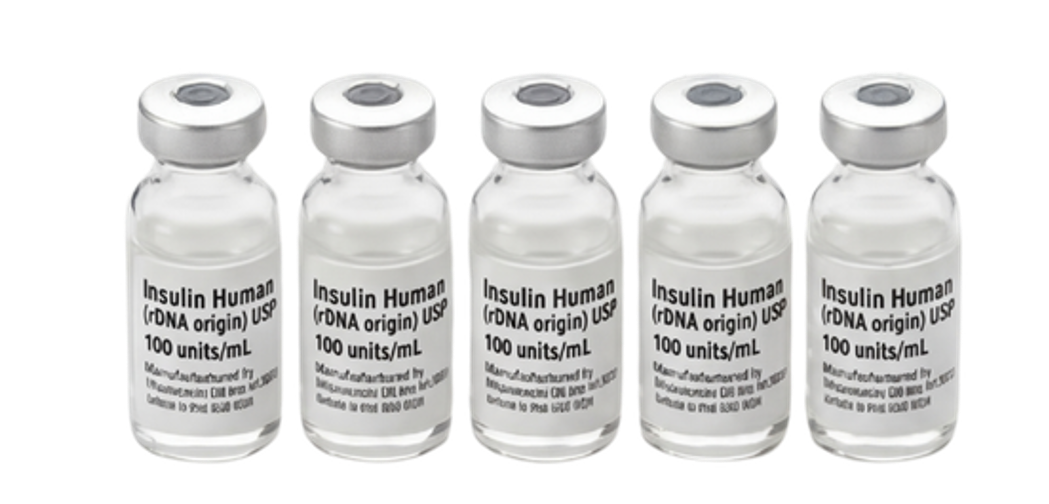
Current industry production


IP platform


Proprietary manufacturing process
Technical differentiation
What makes rBIO different
rBIO uses a proprietary bacterial production process that manufactures insulin more efficiently than conventional approaches.
The platform simplifies production economics and gives qualified partners a transferable process for regional insulin manufacturing.
Differentiation points
Proprietary process know-how
Designed for higher output
Built for scale-up and licensing
Expandable to additional peptide drugs over time
| Differentiator | What it means | Investor relevance |
|---|---|---|
| Bacteria-based production system | rBIO uses a bacterial production process for insulin manufacturing rather than more complex conventional production methods. | Simplifies production economics and supports higher-output manufacturing. |
| Proprietary process know-how | rBIO’s value is centered on process design, manufacturing learning, scale-up methods and transfer-ready operating knowledge. | Creates a defensible operating advantage before patent language is finalized or publicly disclosed. |
| Increased output | rBIO’s process increases insulin production output compared with current industry production methods. | Higher output improves manufacturing economics, licensee economics and long-term platform value. |
| Scale-up path | rBIO has advanced from early process work toward a 1,000L scale-up milestone. | Creates a clear technical milestone on the path to process-ready licensing. |
| Licensing-ready model | rBIO’s process supports qualified manufacturing partners that can commercialize insulin in priority markets. | Enables a capital-efficient commercialization model without requiring rBIO to build and own every manufacturing asset. |
| Peptide platform expansion | Insulin is the first application, with expansion potential across additional peptide drugs. | Extends the platform story beyond the first insulin licensing opportunity. |
World-class team
rBIO brings together scientific, operational, financial and investor experience around a licensing-first commercialization strategy.

Dr. Deen Bakthavatsalam
CEO / Co-founder
As a founder and CEO, Deen brings more than two decades of experience building and commercializing biotechnology innovations, from product development and biomanufacturing to strategic partnerships and company growth.
His focus is on translating breakthrough science into scalable businesses that expand global access to affordable peptide therapeutics.
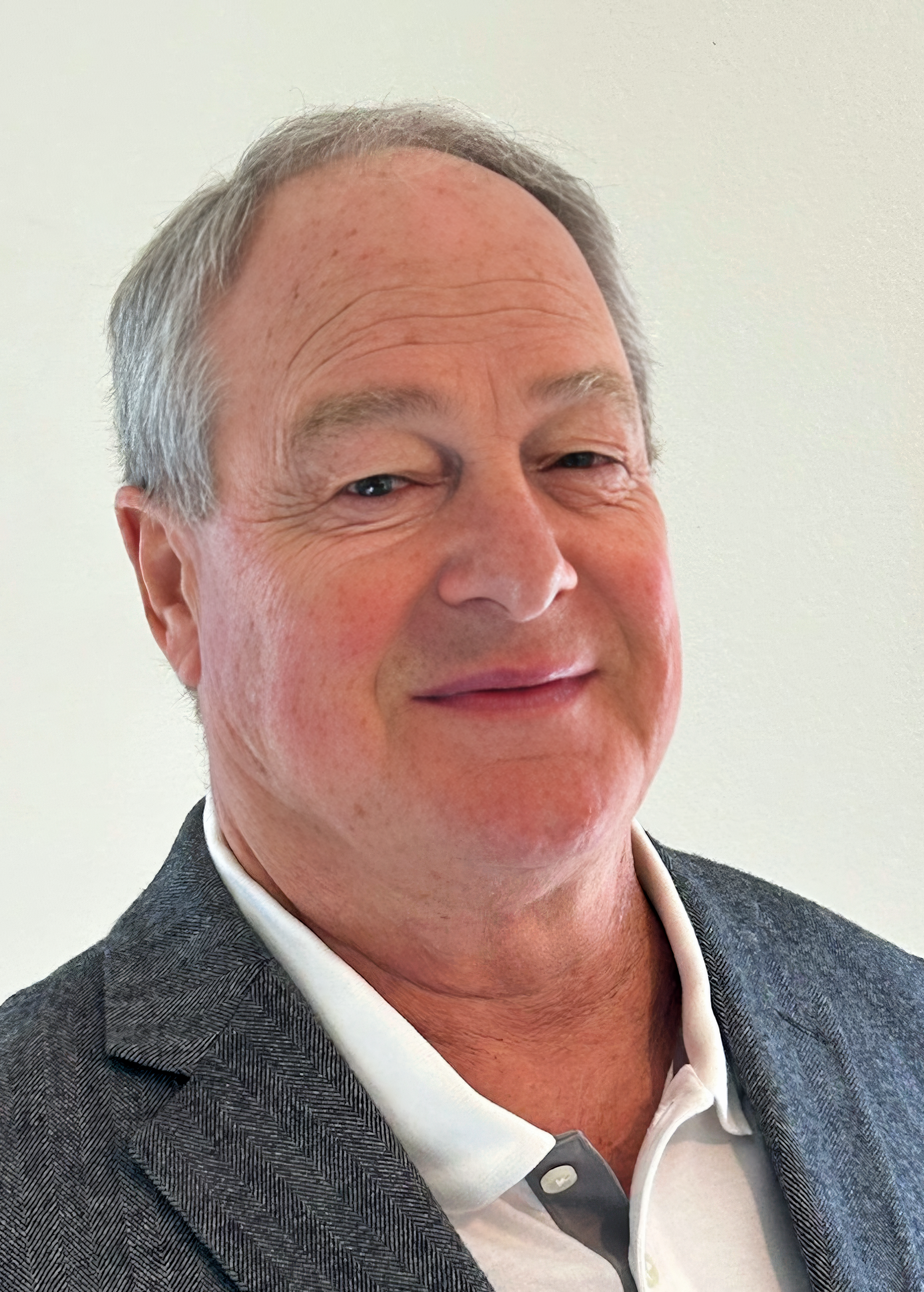
Stuart Douglass
Executive Chairman
Stu is a seasoned investor and company builder with multiple successful exits in the life sciences industry.
He provides strategic guidance, governance experience, and a long-term vision for building shareholder value.
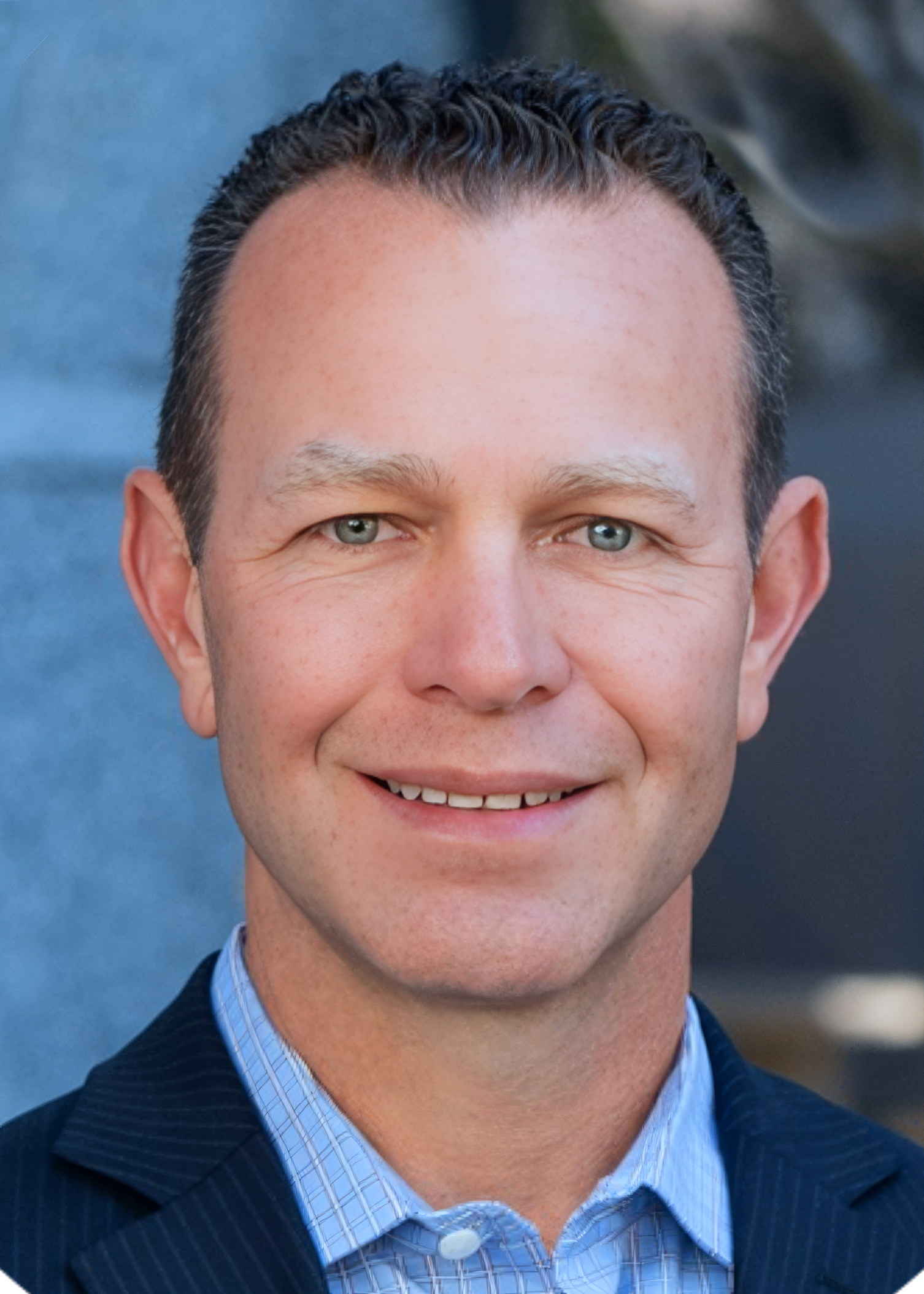
Shawn Swaney
CFO
Shawn brings deep financial expertise, supporting multiple high-growth startups with financial strategy, fundraising, and investor relations.
His disciplined approach to capital planning ensures we have the resources to execute our milestones while maintaining financial strength.
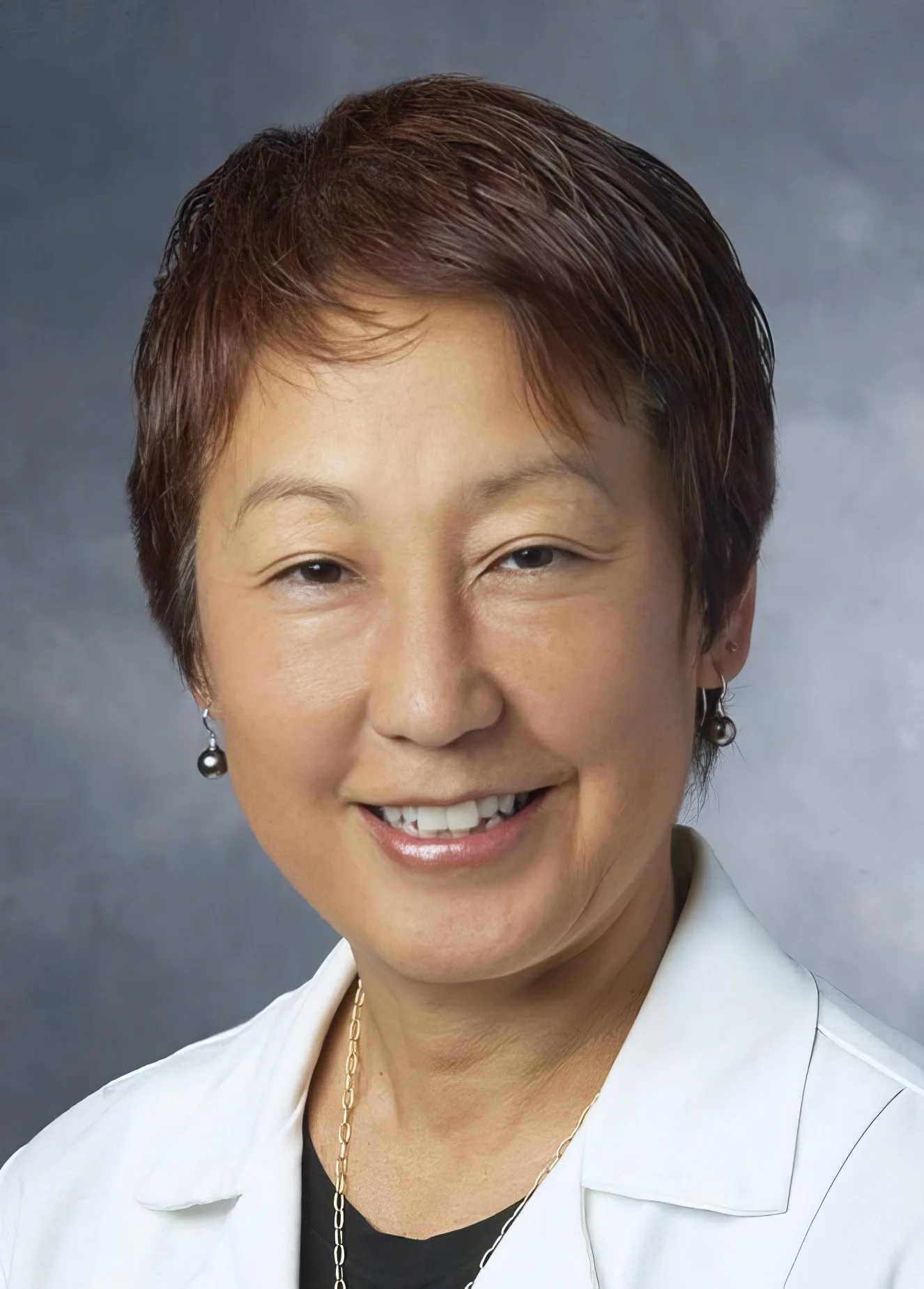
Dr. Judith Shizuru
Board Member
Dr. Judy Shizuru is a physician at Stanford University, founder of Jasper Therapeutics, and an accomplished biotech entrepreneur and investor who has helped raise over $75 million.
Her expertise in company building, fundraising, and investor engagement will be instrumental as rBIO prepares for its next financing round.

Cameron Owen
Co-founder
Cam is the founder of rBIO and combines entrepreneurial vision with exceptional business development and deal-making skills.
His ability to build strategic partnerships and execute commercial opportunities is a key strength of our team.
Market
Large licensing opportunity, insulin-first entry point
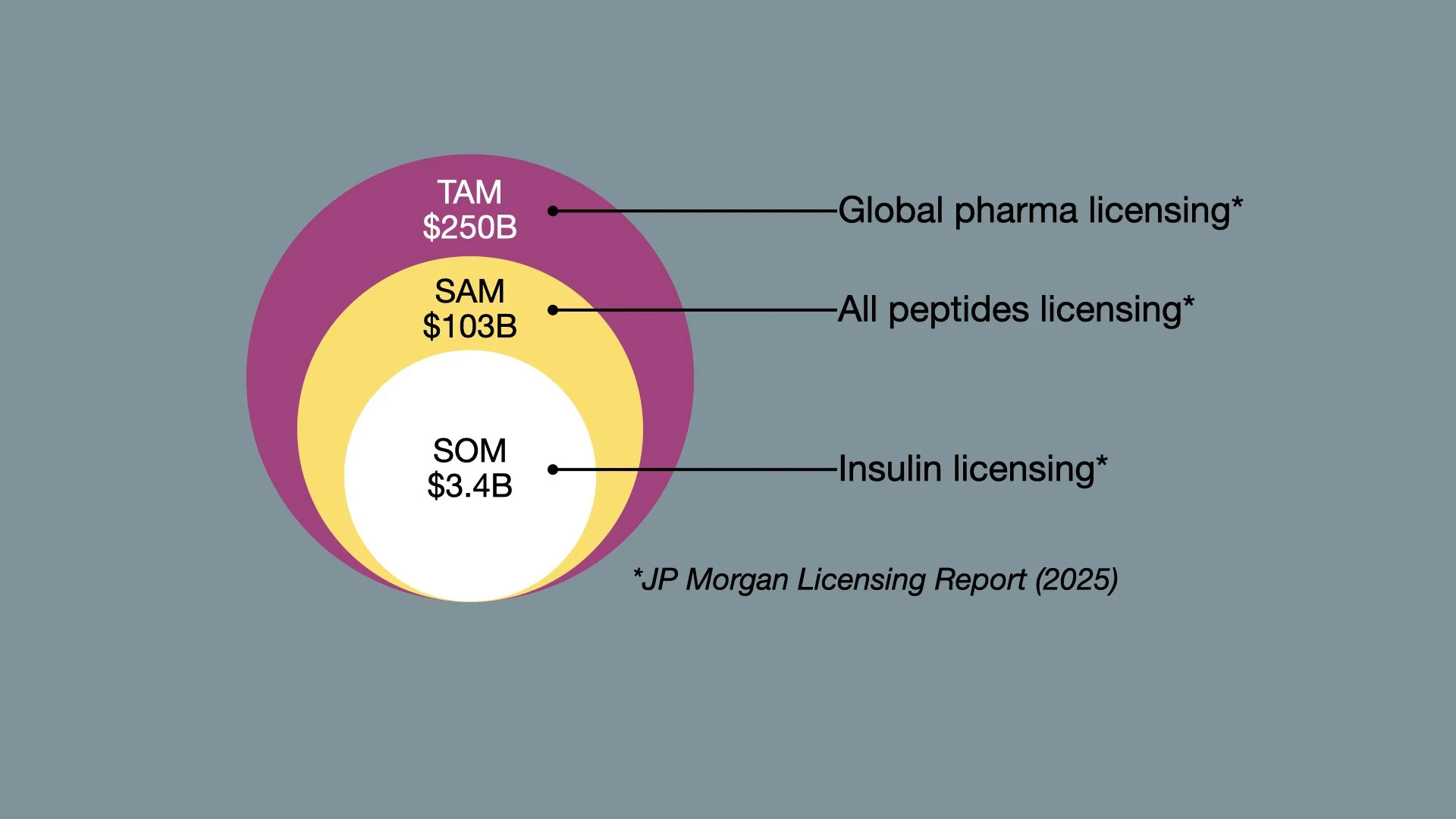
The company licenses insulin first, expands by geography and partner category, then extends the platform to additional peptide drugs.
A LOI is in place for the first licensing deal of insulin.
Global licensing market: $250 billion*
Competitive position
Where rBIO fits
rBIO sits at the intersection of insulin focus, licensing model, manufacturing know-how and future peptide expansion.
Unlike broad service providers or generalized peptide-platform startups, rBIO’s initial advantage is focused on insulin manufacturing economics and licensing-ready process transfer.
| Company Type | Insulin Focus | Licensing Model | Know-how | Multiple Peptides |
|---|---|---|---|---|
| rBIO | ||||
| Contract Research Organization | ||||
| Other Startups |
Customer and licensee targets
rBIO’s licensing model serves organizations that commercialize, manufacture, distribute or scale insulin and other peptide drugs in priority markets.
The initial target universe includes biosimilar players, traditional pharma companies and CDMOs with clear manufacturing, licensing or margin-pressure reasons to evaluate rBIO’s platform.
rBIO evaluates potential licensee categories based on their fit with the company’s insulin-first licensing model, including insulin focus, licensing receptivity, need for rBIO’s process know-how and margin pressure.
| Customer Type for rBIO | Insulin Fit | Licensing Fit | Need for rBIO Know-how | Margin-Pressure Fit |
|---|---|---|---|---|
| Biosimilar Players Civica Rx, Cost Plus | Strong fit | Strong fit | Lower fit | Strong fit |
| Traditional Pharma Lilly, Novo Nordisk, Sanofi | Strong fit | Lower fit | Moderate fit | Moderate fit |
| Contract Manufacturing / CDMO KPI Pharma, Cytovance, AGC Biologics | Lower fit | Strong fit | Strong fit | Strong fit |
Marketing strategy and moat
Beachhead strategy
rBIO prioritizes markets where insulin demand, partner access, manufacturing need and licensing potential create a practical commercialization path.
The company’s beachhead analysis evaluates target markets based on partner availability, market access, sales fit, research support, and existing relationships.
| Market | Product | Partner Availability | Market Access | Sales Fit | Research Support | Relationship Strength |
|---|---|---|---|---|---|---|
| Mexico | Regular insulin | Moderate fit | Moderate fit | Strong fit | Strong fit | Strong fit |
| U.S. | Regular insulin and detemir | Moderate fit | Moderate fit | Strong fit | Strong fit | Moderate fit |
| Middle East | Regular insulin | Lower fit | Moderate fit | Strong fit | Strong fit | Moderate fit |
| Spain | Regular insulin | Moderate fit | Moderate fit | Moderate fit | Strong fit | Moderate fit |
| LatAm / EU | Insulin glargine | Lower fit | Moderate fit | Moderate fit | Strong fit | Lower fit |
| LatAm / EU | Insulin lispro and aspart | Lower fit | Moderate fit | Moderate fit | Strong fit | Lower fit |
Partner categories include manufacturers, distributors and fill-finish owners.
Go-to-market strategy
Licensing drug manufacturers
rBIO commercializes through licensing rather than building and owning every manufacturing asset from the start.
The company works with qualified manufacturers, regional partners, CDMOs, distributors, and strategic pharma organizations.
Near-term go-to-market channels
Licensing conversations with drug manufacturers
Press release and investor communications
Conference presentations
Professional referrals
Patient advocacy relationships
Strategic partner introductions

Sustainable barriers
Why rBIO’s position is defensible
rBIO’s competitive advantage comes from process know-how, time advantage, and platform expansion.
Barriers to entry
3-year head start
Proprietary process and know-how
Insulin-first focus
Licensing model
Expansion across multiple peptides
Existing partner and licensee conversations

Risk mitigation and strategic value
rBIO’s licensing-first model addresses the core technical, capital and commercialization risks associated with scaling a new biomanufacturing process.
The company advances through defined technical milestones, milestone-based funding and targeted licensing relationships. This approach builds commercial validation while creating strategic value for organizations seeking insulin and peptide-manufacturing capabilities.
Exit strategy
Strategic value for established industry participants
rBIO’s exit strategy centers on organizations seeking peptide-manufacturing capability, more efficient insulin production, expanded U.S. or regional manufacturing infrastructure, and access to a proprietary licensing platform.
The company’s licensing model creates multiple strategic paths, including acquisition, platform partnership and regional commercialization agreements.
| Strategic Category | Industry Need | rBIO Strategic Value |
|---|---|---|
| Biologics CDMOs | Expanded peptide-manufacturing capability | Adds an insulin-focused process and licensing platform. |
| Pharma Services Companies | Broader manufacturing infrastructure and technical services | Adds proprietary insulin-production know-how and process-transfer capability. |
| Strategic Pharma Companies | Improved manufacturing economics and supply flexibility | Supports lower-cost insulin production and regional licensing. |
| Biosimilar Manufacturers | Insulin-production capability and margin improvement | Provides access to a higher-output manufacturing process. |
| Regional Manufacturing Partners | Local production and market access | Creates a country- or region-specific licensing path. |
Risk mitigation
Defined risks. Defined responses.
rBIO addresses the principal risks investors evaluate in an early-stage biomanufacturing company: process scale-up, CMC readiness, capital requirements, and licensee adoption.
| Risk | Current Position | Mitigation |
|---|---|---|
| Process Scale-up | 20L pilot work completed | Advance the process through 1,000L optimization over an approximately nine-month scale-up program. |
| CMC Readiness | Exploratory animal testing completed successfully | Complete the process-development and manufacturing package required for partner transfer and commercialization. |
| Capital | Licensing-first commercialization model | Deploy capital against defined technical and commercial milestones rather than building and owning every manufacturing asset. |
| Licensee Adoption | Targeted regional licensee strategy and licensing interest | Focus on markets and partners with clear insulin demand, manufacturing infrastructure and margin pressure. |
| Commercial Execution | Experienced scientific, financial and governance team | Coordinate technical scale-up, licensing development and investor strategy through an integrated commercialization plan. |
Three things to remember
Investment thesis summary
Manufacturing inefficiency drives drug costs
Insulin remains essential, but manufacturing complexity creates persistent cost, margin and supply pressure.
rBIO’s process doubles output
rBIO’s proprietary process doubles the rate of insulin production compared with current industry production.
Higher output improves manufacturing economics
Increased output lowers production cost, strengthens licensee economics and supports broader access to insulin.
Investor FAQ
Key information about rBIO’s technology, licensing model, market strategy, development stage, and funding plan.
-
BIO has developed a proprietary insulin manufacturing process and licensing platform that doubles production output compared with current industry production.
The company licenses its process and manufacturing know-how to qualified partners, beginning with insulin and expanding to additional peptide drugs over time.
-
Insulin is a large, essential drug category with persistent manufacturing-cost, supply and margin pressures.
It provides rBIO with a defined beachhead market, established demand and a clear path to regional and strategic licensing.
-
rBIO uses a bacteria-based production process and proprietary manufacturing know-how to produce insulin more efficiently than conventional approaches.
The process increases output, simplifies manufacturing economics and supports transfer to qualified licensing partners.
-
rBIO has completed 20L pilot work and exploratory animal testing.
The next major technical milestone is scale-up to 1,000L production, followed by completion of the manufacturing and CMC package required for licensing.
-
rBIO licenses its manufacturing process rather than building and owning every production facility.
Qualified partners provide regional manufacturing infrastructure, market access and commercialization capabilities. rBIO provides the process, operating know-how and technical transfer required to produce insulin.
-
rBIO’s target licensees include:
Biosimilar manufacturers
Traditional pharmaceutical companies
CDMOs and contract manufacturers
Regional drug manufacturers
Distributors
Fill-finish owners
The company prioritizes partners with insulin demand, manufacturing capability, market access and pressure to improve production economics.
-
Mexico
United States
Middle East
Spain
Latin America
European Union
-
rBIO generates revenue through licensing agreements with qualified manufacturing and commercialization partners.
The licensing model supports regional expansion while limiting the capital required to build and operate wholly owned manufacturing facilities.
-
rBIO’s competitive position is based on:
A three-year development head start
Proprietary process know-how
Insulin-specific manufacturing experience
A licensing-first commercialization model
Expansion across multiple peptide drugs
Existing relationships with prospective partners and licensees
-
The next milestones include:
Complete 1,000L process scale-up
Finalize the license-ready manufacturing package
Expand the licensee pipeline
Execute regional licensing agreements
Begin licensing revenue
Extend the platform to additional peptide drugs
-
rBIO’s current financing plan includes a $5.5 million seed round to fund process scale-up, business development, licensing and operating execution.
A planned $18 million Series A supports broader commercialization, licensee expansion and strategic growth.
-
The current plan allocates the $5.5 million seed round across three workstreams:
$3.0 million for scale-up
$2.0 million for business development and licensing
$0.5 million for operations and team
-
The principal risks are process scale-up, CMC readiness, capital requirements and licensee adoption.
rBIO addresses these risks through completed pilot work, milestone-based use of capital, a licensing-first model, targeted regional partners and an experienced scientific, financial and governance team.
Investor relations
rBIO welcomes inquiries from accredited investors, institutional investors and strategic funding partners. Please provide your information below, and a member of the rBIO team will follow up.